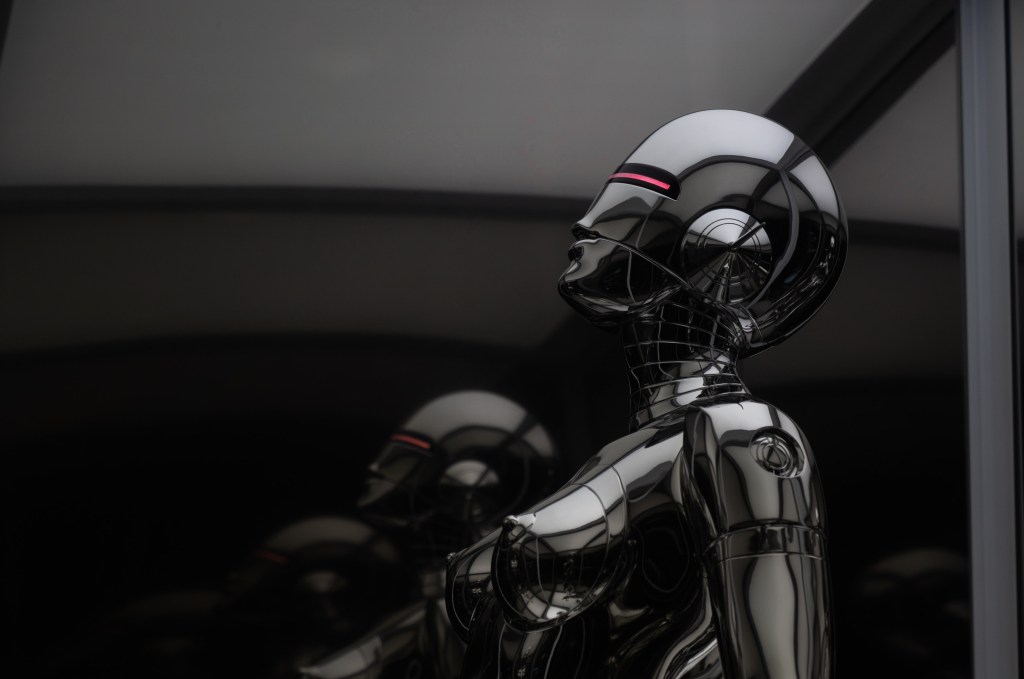
Defining Digital Workers
In today’s fast-paced and ever-changing business world, companies are constantly seeking innovative ways to streamline processes, cut costs, and improve productivity. One such way is by incorporating digital workers into their workforce. But what exactly are digital workers, and how do they differ from human workers?
Explanation of what digital workers are
Digital workers, also known as software robots or bots, are virtual employees that can mimic human actions to perform repetitive, rules-based tasks. They are built using Robotic Process Automation (RPA) and Artificial Intelligence (AI) technologies, which enable them to automate various business processes.
Digital workers are designed to work alongside human employees, complementing their skills and capabilities. They can be deployed on-premise, in the cloud, or in a hybrid environment, and can interact with multiple systems and applications across the enterprise.
Comparison between digital workers and human workers
While digital workers can perform a variety of tasks, they are not designed to replace human workers. Instead, they are intended to augment and enhance their abilities. Human workers possess certain qualities that digital workers lack, such as creativity, empathy, and critical thinking skills.
Digital workers, on the other hand, excel at tasks that are repetitive, rule-based, and time-consuming. By taking over these tasks, they free up human workers to focus on more complex, strategic work that requires human intelligence.
Examples of tasks that digital workers can perform
Digital workers can perform a wide range of tasks, including:
- Data entry and data processing: Digital workers can extract data from multiple sources, process it, and enter it into relevant systems and databases.
- Customer service: Digital workers can handle customer queries and complaints via chatbots or virtual assistants.
- Accounting and finance: Digital workers can perform tasks such as accounts payable and receivable, invoicing, and reconciliations.
- Human resources: Digital workers can assist with tasks such as employee onboarding, benefits administration, and performance reviews.
- IT operations: Digital workers can perform tasks such as system monitoring, software installations, and network maintenance.
In conclusion, digital workers are a valuable addition to any modern workforce. By automating repetitive and time-consuming tasks, they can improve efficiency, reduce errors, and free up human workers to focus on more complex work that requires their unique skill set. In the next section, we will discuss the benefits of incorporating digital workers into your organization.

 SCM Boost